
The Untold Stories of Lisbon's WWII Refuge
In the midst of World War II, Lisbon emerged as a critical safe haven for Jewish refugees fleeing the Holocaust. This remarkable chapter in history is brought to light through personal accounts and expert insights, revealing how Portugal's actions averted further tragedies.
Cookie Fischer, representing the Aristides Sousa Mendes Foundation, shares her family's escape story. Her mother, Ada van den Bergh, a Dutch Jew, heard rumors in Bayonne about a Portuguese consul issuing visas. With a bag full of passports, her group secured visas signed by "Mendes," allowing them to reach Lisbon and eventually board the Excalibur to New York in August 1940. Similarly, Cookie's father escaped via the same route in 1941.
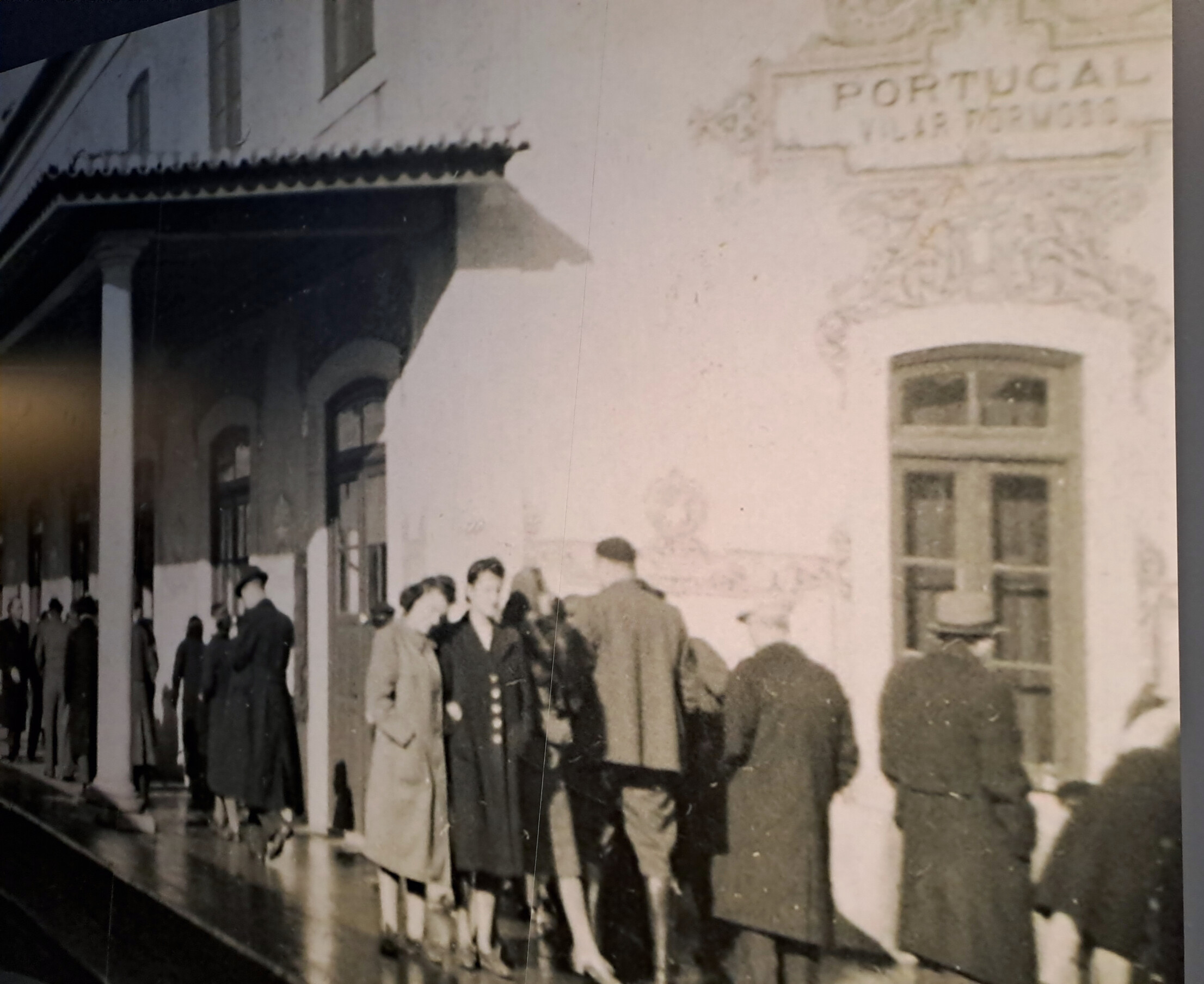
 An image depicting Jewish refugees arriving in Lisbon during WWII.
Cultural Impact and Daily Life
Historian Irene Flunser Pimentel notes that while most refugees did not stay in Portugal long-term, their presence transformed Lisbon. They pioneered new fashions, introducing short skirts and the "refugee hairstyle," and smoked on terraces, leading to local men play-fighting in the streets to catch a glimpse—earning the Rossio area the nickname "Bon pernass" for its "good legs." This sudden influx made Lisbon cosmopolitan overnight, influencing Portuguese society deeply.
Ruth Arons, a refugee from Berlin, adapted swiftly to life in Portugal. She learned the language, integrated so well that she was elected president of her local parish in the first municipal elections, and lived to 100 years old, barely showing her foreign origins except for a slight issue with pronouncing "R's."
Harsh Realities Behind the Oasis
Despite the surface vibrancy, life for refugees was far from idyllic. Lisbon was a terrain of terrible dramas, with refugees prohibited from working or forming associations. Financial support came from American Jewish organizations, the Portuguese and International Red Cross, and the local Jewish community, largely funded by the Joint Distribution Committee.
Jewish families opened their homes, offering meals and shelter. Samuel Levy, emeritus president of Lisbon's Jewish community, recalls hosting children and the community's efforts, including a soup kitchen that expanded from serving 10-15 people daily to 200 refugees. Even Aristides de Sousa Mendes, the consul who issued the visas, ate there after being dismissed by the government due to his large family.
A video clip showing historical footage of refugees in Lisbon.


















Comments
Join Our Community
Sign up to share your thoughts, engage with others, and become part of our growing community.
No comments yet
Be the first to share your thoughts and start the conversation!